“As an international patient transfer team, we have overcome many challenging and complex scenarios. Last month, we undertook one such clinically and logistically challenging mission: mobilizing a patient on ECMO (Extracorporeal Membrane Oxygenation). The challenge was manifold because the patient was a 6-month-old baby.
Extracorporeal Membrane Oxygenation (ECMO) is a life support machine. People who need ECMO have a severe and life-threatening illness that stops their heart or lungs from working properly.
In ECMO, blood is pumped outside of your body to a heart-lung machine that removes carbon dioxide and sends oxygen-filled blood back to tissues in the body. Blood flows from the right side of the heart to the membrane oxygenator in the heart-lung machine, and then is rewarmed and sent back to the body.
This method allows the blood to “bypass” the heart and lungs, allowing these organs to rest and heal. Thus ECMO is used in critical care situations when your heart and lungs need help so that you can heal. It may be used in care for COVID-19, ARDS, heart failure, etc.
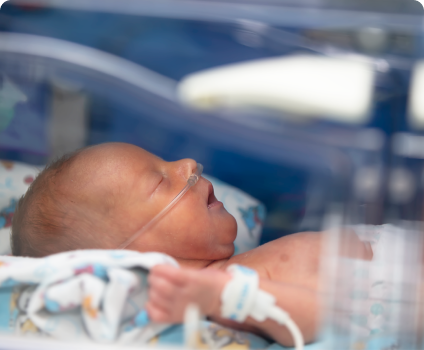
The patient presented to us was a 6-month-old female, whose heart was failing due to yet unknown reasons, and was in need of a heart transplant urgently. The baby was on multiple life support at the time of our evaluation and was under multidisciplinary care. And after careful evaluation, we briefed the treating team regarding the risk of her transportation via air because of the complexity of care that she needs during such a transfer.
However, the lack of transplant facilities in the region made it a situation where the benefits outweighed the risks. We were informed by the intensive care team that they have plans for initiating ECMO on the patient for getting her more stable. We, as a transport team, concurred since it would give us better control of the patient's hemodynamics which in turn will reduce the risk of the transfer.
ECMO was initiated on the baby by the cardiothoracic team, in a complex procedure of opening up the chest and inserting tubes to pump blood to the machine outside the patient's body. While the ICU team was working hard to get the baby stable in the ICU, our flying ECMO team was making arrangements to transfer the baby to an alternate facility for continued care. After multiple discussions, team meetings, and arranging the necessary transport devices for such a complex transfer, our team was given permission to take the baby out of the ICU.
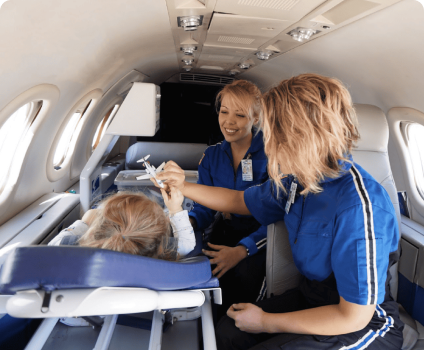
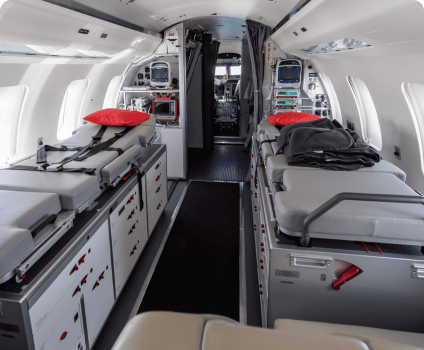
The amount of space inside the aircraft was a crucial factor here, due to two major reasons: the number of people onboard and the number and size of equipment needed for care. An ECMO transfer team consists of a 4-person medical team a pediatric intensivist, a PICU nurse, a Perfusionist, and a Flight Physician. Since the patient was a baby, one of the parents had to be on board.
Besides that, multiple equipment, including a ventilator, ECMO machine, syringe pumps, multipara invasive monitoring, suction apparatus, emergency responder kit, etc were needed onboard. Thanks to our Cessna Citation Sovereign C680 with a bigger cabin volume, extra seating, and more cabin height to work around, we were able to overcome all the above-mentioned limitations of space for this transfer.
After a week of meticulous planning and preparation, the baby was finally flown out to an alternate facility for continued care. Other than the expected complexity of care for such a case, the journey onboard was uneventful, and the baby was handed over to the receiving team in the same clinical status as she was from the original facility. Our wishes and prayers for the baby and her family. May she have a quick clinical recovery and come out of the hospital in a stable state of health.”
Dr. Afsal Mohammed
Medical Director
Bluedot Air Ambulance
"بصفتنا فريقاً دولياً لنقل المرضى، نجحنا في تجاوز العديد من السيناريوهات المعقدة والمليئة بالتحديات. ولكننا قمنا الشهر الماضي بمهمة فريدة من نوعها ومثلت تحدياً سريرياً ولوجستياً استثنائياً: وهي نقل مريض يعتمد على جهاز الإيكمو (الأكسجة الغشائية خارج الجسم). وما ضاعف من حجم هذا التحدي هو أن المريض لم يكن سوى طفلة رضيعة تبلغ من العمر ٦ أشهر فقط.
تعد الأكسجة الغشائية خارج الجسم (الإيكمو) منظومة متطورة لدعم الحياة؛ ويُحام إليها المرضى الذين يعانون من أمراض شديدة ومهددة للحياة تؤدي إلى توقف القلب أو الرئتين عن العمل بشكل طبيعي.
وتعتمد آلية عمل الإيكمو على ضخ دم المريض خارج الجسم إلى جهاز يحاكي عمل القلب والرئة؛ حيث يتولى الجهاز إزالة ثاني أكسيد الكربون وإعادة توجيه الدم المحمل بالأكسجين إلى أنسجة الجسم المختلفة. يتدفق الدم من الجانب الأيمن للقلب إلى المؤكسج الغشائي في الجهاز، ثم يتم تدفئته وإعادته إلى الجسم مجدداً.
تتيح هذه الطريقة للدم "تجاوز" القلب والرئتين مؤقتاً، مما يمنح هذه الأعضاء الحيوية فرصة للراحة والتعافي. وبناءً على ذلك، تُستخدم تقنية الإيكمو في حالات الرعاية الحرجة التي تحتاج فيها الرئتان والقلب إلى دعم خارجي، مثل حالات الإصابة بـ كوفيد-19، أو متلازمة الضائقة التنفسية الحادة (ARDS)، أو فشل القلب الحاد.
كانت المريضة طفلة تبلغ من العمر ٦ أشهر، تعاني من فشل حاد في القلب لأسباب لا تزال غير معروفة، وكانت بحاجة ماسة وعاجلة لعملية زراعة قلب. وعند تقييمنا الأولي للحالة، كانت الرضيعة تعتمد على عدة أجهزة لدعم الحياة وتخضع لرعاية طبية مكثفة من تخصصات متعددة. وبعد دراسة دقيقة، أطلعنا الفريق الطبي المعالج على المخاطر المرتبطة بنقلها جوياً نظراً للتعقيد الشديد الذي تتطلبه رعايتها أثناء الرحلة.
ومع ذلك، فإن غياب مرافق زراعة الأعضاء المتخصصة للأطفال في المنطقة جعل من هذه الرحلة خياراً حتمياً تفوق فوائده المخاطر المحتملة. وأبلغنا فريق العناية المركزة برغبتهم في بدء تشغيل جهاز الإيكمو للمساعدة في استقرار حالة الطفلة؛ ووافقناهم الرأي كفريق نقل طبي، لأن هذا الإجراء سيمنحنا تحكماً أفضل في المؤشرات الديناميكية الحركية للدم (Hemodynamics)، مما يقلل بدوره من مخاطر النقل الجوي.
وقام فريق جراحة القلب والصدر ببدء إجراءات الإيكمو للطفلة عبر عملية معقدة شملت فتح الصدر وإدخال الأنابيب الطبية لتوصيل الدم بالجهاز الخارجي. وفي الوقت الذي كان فيه فريق العناية المركزة يبذل جهوداً مضنية لتثبيت حالة الطفلة في المستشفى، كان فريق الإيكمو الطائر لدينا ينسق الترتيبات لنقل الرضيعة إلى منشأة طبية بديلة لمتابعة العلاج. وبعد مناقشات مستفيضة، واجتماعات مكثفة للفريق، وتجهيز معدات النقل المتوافقة مع هذا الوضع المعقد، حصل فريقنا على الإذن الطبي لإخراج الطفلة من وحدة العناية المركزة.
مثلت المساحة الداخلية للطائرة عاملاً حاسماً في نجاح المهمة لسببين رئيسيين: عدد الأفراد على متن الرحلة، وحجم وعدد المعدات الطبية اللازمة. وتألف فريق نقل الإيكمو من طاقم طبي مكون من ٤ أفراد: استشاري عناية مركزة أطفال، وممرض عناية مركزة أطفال (PICU)، وأخصائي تروية دمج (بيرفيوجنيست)، وطبيب طيران طبي. وبما أن المريضة رضيعة، كان من الضروري تواجد أحد الوالدين على متن الرحلة.
وإلى جانب ذلك، احتجنا إلى تحميل معدات متعددة تشمل جهاز التنفس الاصطناعي، وجهاز الإيكمو، ومضخات الحقن السرنجية، وأجهزة مراقبة المؤشرات الحيوية الاختراقية المتعددة، ووحدات الشفط الطبي، وحقيبة الطوارئ. وبفضل استعانتنا بطائرتنا Cessna Citation Sovereign C680 التي تتميز بمقصورة ذات حجم أكبر، ومقاعد إضافية، وارتفاع سقف مناسب للعمل بحرية، تمكنا من التغلب على كافة قيود المساحة التي تفرضها مثل هذه الحالات المعقدة.
وبعد أسبوع من التخطيط الدقيق والتحضير المستمر، جرى نقل الطفلة بنجاح إلى المنشأة الطبية البديلة لاستكمال علاجها. وبخلاف التعقيد المتوقع لرعاية مثل هذه الحالة الحرجية، مرت الرحلة الجوية بسلام ودون أي عوارض، وتم تسليم الطفلة إلى الفريق الطبي المستقبِل بنفس الحالة السريرية المستقرة التي غادرت بها مستشفاها الأول. تمنياتنا ودعواتنا القلبية للطفلة وعائلتها بالشفاء العاجل والعودة إلى بيتها بكامل صحتها وعافيتها".
الدكتور محمد أفضل
المدير الطبي
بلودوت للإسعاف الجوي