Published on 22 Aug 2022 – 2 min read نُشر بتاريخ 22 Aug 2022 – مدة القراءة: دقيقتان
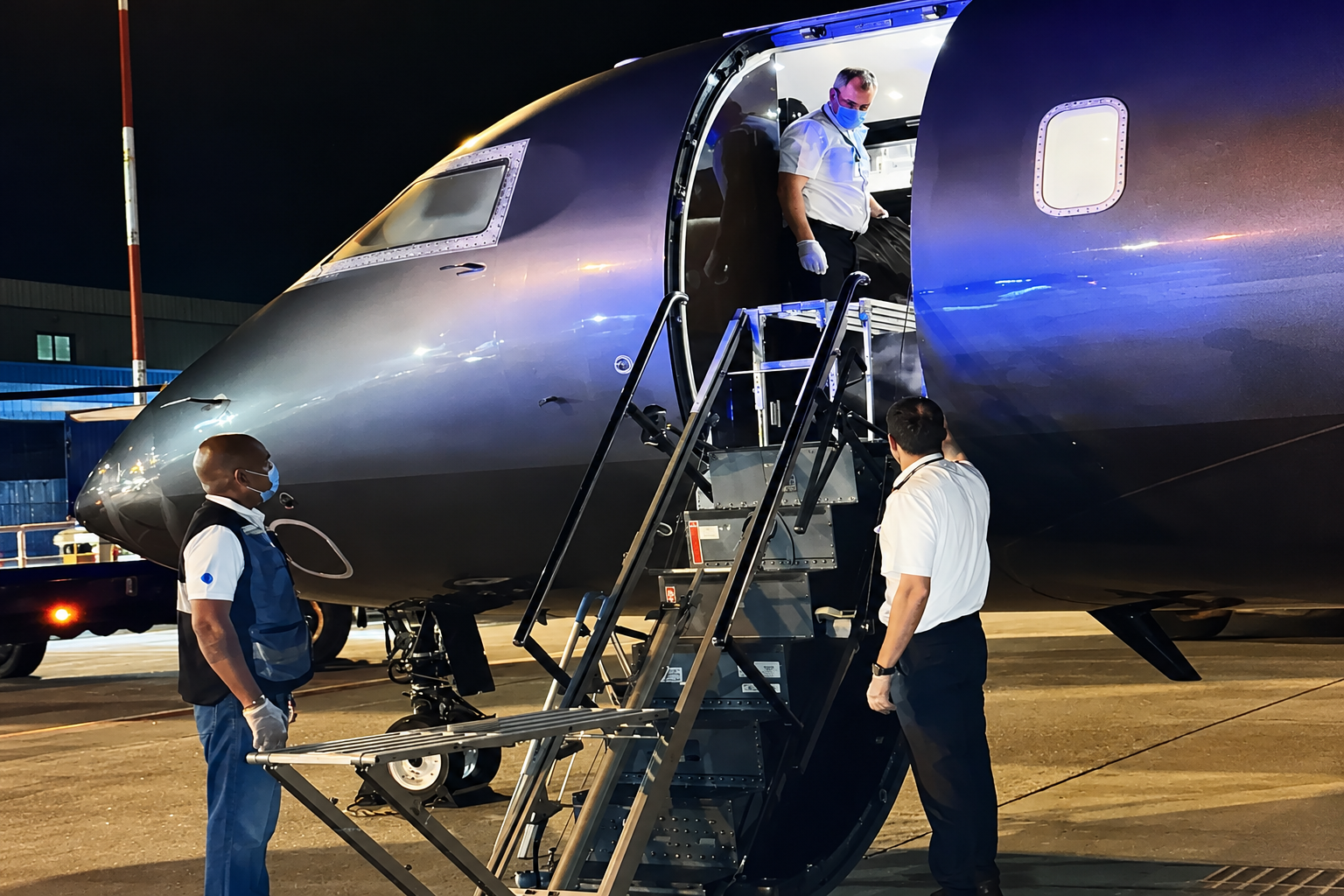
When we think of air transfers or air ambulances we often think of helicopters and jets. And we also assume that these are expensive services. But in many cases, it is possible to make use of regular passenger flights to conduct air medical transfers. These are not only cost-effective but also allow for more co-passengers with the patient.
Here’s a guide to understanding the basics of engaging ‘flight stretchers’ or space in a scheduled passenger flight to carry patients across the world. This is one of the services offered by Bluedot alongside medical escorts and medical jets. All cases are subject to scrutiny by our medical director and concerned flight authorities before approval.
We begin with a pre-flight assessment to understand the patient’s condition and ensure a fit-to-fly certificate. We tap into our network of passenger airlines, to arrange the booking of a flight stretcher, with a qualified medical crew and the equipment to take care of our patients. Bluedot covers the full package from:
A set of seats are removed from the empty sections of a booked passenger flight and replaced with an FAA-approved stretcher. Other select aeromedical equipment needed to monitor and tend to the patient are loaded on flight as well. Aeromedically trained doctors and nurses from the Bluedot team attend to the patient throughout the journey, just as they would do in an Air Ambulance jet service.
While the cost of engaging a stretcher on a commercial flight can be as low as one-third the cost of an air ambulance jet, care must be taken in planning the details of the journey. With skilled scheduling and sufficient care, patients will feel comfortable and safe in their medical journeys. This is where services by a professional and committed team make a big difference.
Here is a real-life example from one of Bluedot’s missions involving a critical minor patient skilfully flown on a scheduled commercial flight:
“A 9-month-old baby, post-cardiac arrest following foreign body aspiration, on the ventilator, was planned for commercial flight stretcher transfer with medical support from Dubai to Chennai. As per the protocol, the flight paramedics, along with the baby, reached the airport medical centre after necessary clearances and was waiting for the boarding call.
Events took a wrong turn when we were informed that the incoming flight got delayed due to an emergency landing in Muscat. Instead of a usual 1-hour wait, we were stranded at the airport medical centre overnight for 13 hours straight, with the baby.
Since the parents insisted on having their baby in medical care, we were left with no choice but to keep the baby at the Airport clinic itself. It was a major clinical challenge since she was on ventilator support, sedative infusion, monitored feeds, and multiple medications among other support. The only way was to convert the airport clinic into a paediatric ICU, to keep the baby stable and monitored with continued care, and be prepared to handle any unfortunate event.
We met with two episodes of hypoglycaemia (despite adequate nutrition and hydration), a brief run of bradycardia, an episode of a seizure (in the form of uprolling of eyes), and a short febrile event – all taken care of appropriately. Finally, after 24 hours of discharge from the hospital in Dubai, we handed over the baby safely to the paediatric ICU team at the receiving hospital in Chennai. “
Thus a medical journey on a passenger flight that should’ve taken about 10 hours, lasted more than 24 hours due to a commercial flight delay. However, the skilled and committed aeromedical team with planning and experience was able to manage the patient’s care until handing over at the end of the journey. At Bluedot, with our leading medical team and management, you can rest assured that your medical journeys will be taken care of. Get in touch with us at +971 551 881 441 to know more about our flight stretcher services and medical repatriation.
ابتكارات الإسعاف الجوي: أطباء في بدلات نفاثة
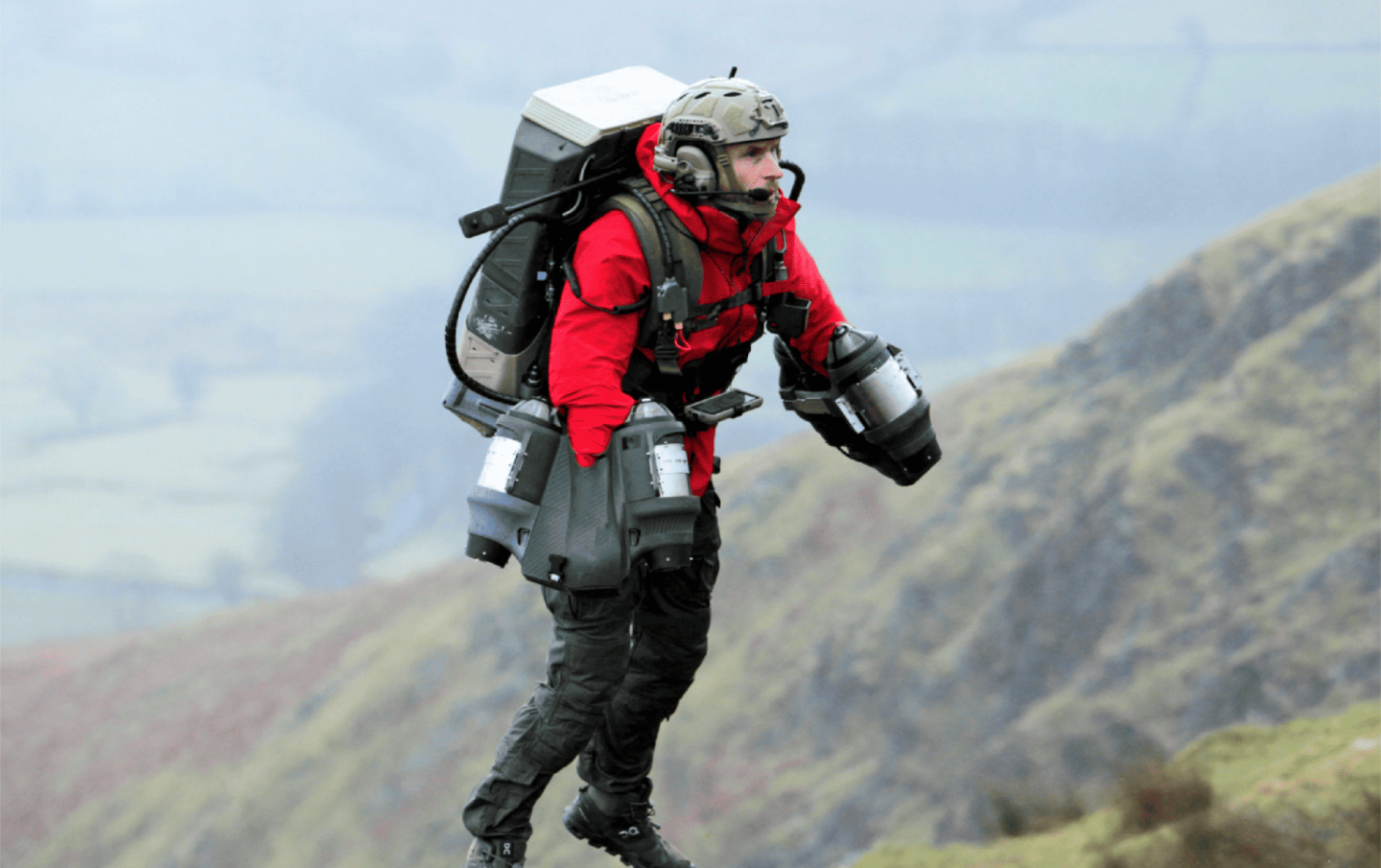
باتت أمام خدمات الإسعاف الجوي حول العالم تقنية جديدة واعدة تسترعي الانتباه، وهي "البدلات النفاثة" (Jet Suits). وتأتي هذه التقنية لتوسيع نطاق وصول أطباء الطيران الجوي الذين يمشطون الأجواء بالطائرات النفاثة والمروحيات؛ حيث نجحت شركة هندسية بريطانية، بالتعاون مع خدمة الإسعاف الجوي في شمال إنجلترا، في اختبار البدلة النفاثة مع طواقم الإسعاف في مهام البحث والإنقاذ بالمناطق النائية.
وتولت شركة "Gravity Industries" اختبار البدلة النفاثة بالتعاون مع خدمة الإسعاف الجوي لشمال إنجلترا (GNAAS)، مستعينة بمسعفين لتنفيذ مهام في منطقة "ليك ديستريكت" الوعرة والمستعصية جغرافياً. وفي إحدى المهام التجريبية، حلق مسعف من قاع الوادي مباشرة إلى موقع إصابة افتراضي، وهي مسافة تستغرق حوالي نصف ساعة سيراً على الأقدام، لتتمكن البدلة النفاثة من قطع هذه المسافة في ٩٠ ثانية فقط، وفقاً لما نشرته شبكة "Good News Network".
وأظهرت الاختبارات المكثفة التي أُجريت على مدار العامين الماضيين، وخاصة خلال عام ٢٠٢٢، عن الإمكانات الهائلة التي تتمتع بها هذه الأجهزة في تنفيذ المهام وسط الضباب، أو التضاريس الصخرية الحادة والوعرة التي يصعب على الطائرات النفاثة التقليدية أو المروحيات الوصول إليها لتقديم خدمات الرعاية الحرجة.
وصرح ريك براونينغ، كبير طياري الاختبارات الذي أشرف على تدريب العديد من المسعفين على استخدام هذه الحقائب النفاثة: "ستظل طائراتنا ومروحياتنا جزءاً حيوياً لا غنى عنه في منظومة الاستجابة للطوارئ في هذه التضاريس، ولكن في بعض الحالات النوعية، ستكون هذه البدلات هي العامل الحاسم لإنقاذ حياة المصابين".
وتتكون البدلة النفاثة من توربينين نفاثين مصغرين مثبتين على كل ذراع، بالإضافة إلى محرك خامس مثبت في حقيبة الظهر. وأشارت التقارير الفنية إلى أن الجهاز قادر على توليد قوة دفع تتجاوز ٣٠٠ رطل، وقدرة حصانية فرملية تصل إلى ١،٠٥٠ حصاناً (BHP). وتمر البدلة النفاثة حالياً بنسختها التشغيلية الثالثة، وقد تستغرق بعض الوقت قبل طرحها تجارياً في الأسواق. وفي هذه الأثناء، تواصل الشركة تعاونها مع خدمات الإسعاف الجوي لتقييم مدى الأثر العملي والإيجابي الذي يمكن أن تحدثه في هذا القطاع.
يذكر أن خدمات الإسعاف الجوي نشأت إبان الحروب العالمية؛ حيث كان يتم نقل الجنود المصابين، ثم المدنيين لاحقاً في الحالات الحرجة، بسرعة لضمان تلقيهم رعاية أفضل. وتطور هذا المفهوم لاحقاً ليشمل تقديم الرعاية الحرجة والعناية المركزة داخل الطائرة نفسها أثناء الرحلة، وقطع مسافات طويلة للوصول إلى مستشفيات تخصصية متقدمة أو لإعادة المرضى إلى أوطانهم أثناء عمليات الإجلاء الطبي الدولي.
واليوم، في الوقت الذي تستفيد فيه هذه الخدمات من سرعة الطائرات الحديثة ومرونتها اللوجستية، يتوجب على قطاع الإسعاف الجوي إبقاء عين فاحصة على التطويرات الابتكارية الجديدة التي من شأنها تحفيز النمو في اتجاهات غير متوقعة تصب في مصلحة سلامة المرضى.
الأمل. الإيجابية. رحلات الرعاية.
في خدمتكم.
فريق بلودوت